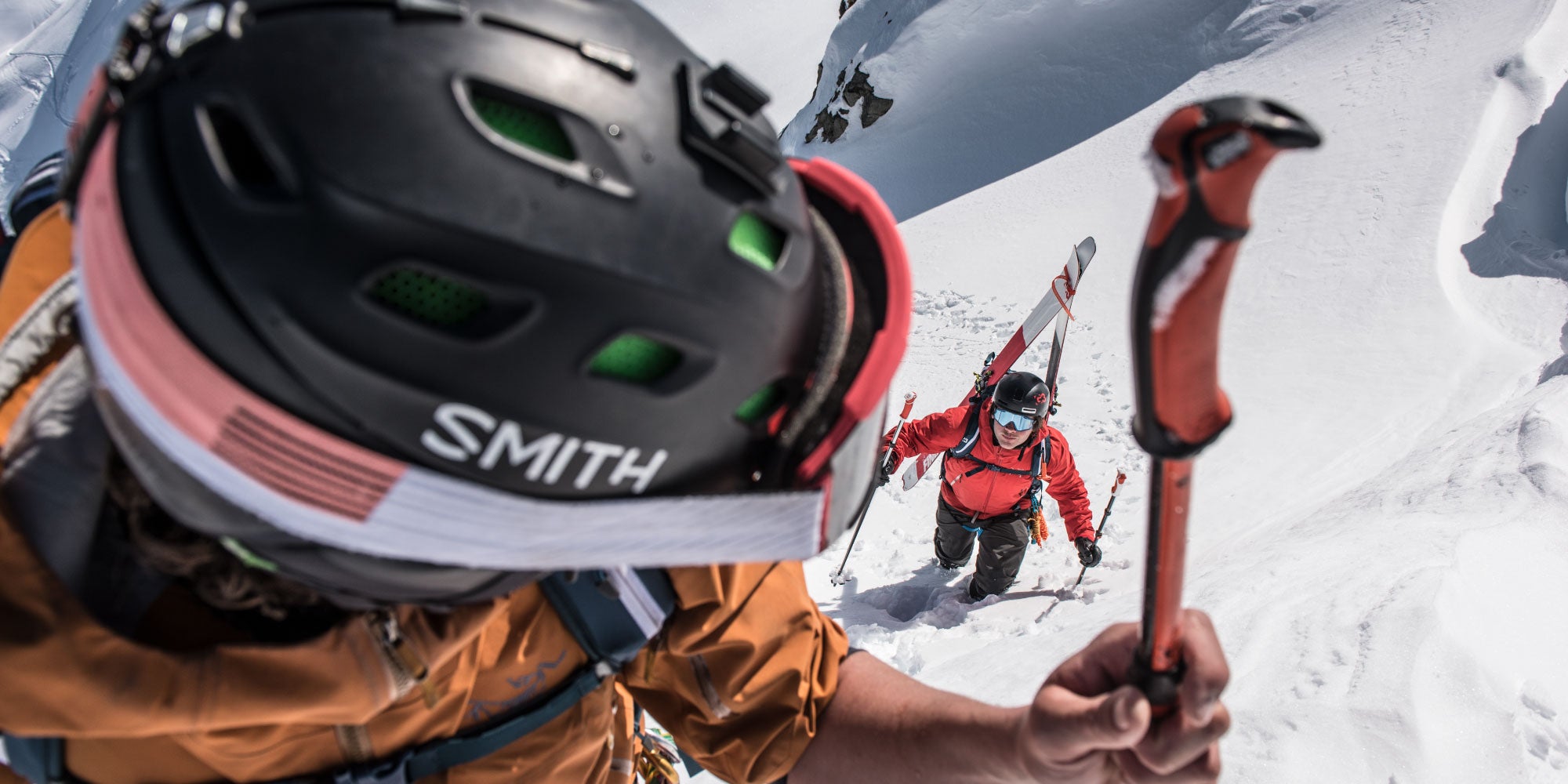
Safe Backcountry travel

Submitted by: Marty on: 02 December 2009 - 10:48am

Tips for Starting Your Season With A Safe Backcountry Ski Tour

G3 has been making snow safety equipment since 1995 and has been pushing the envelope with ingenuity, design, and functionality of our Avalanche probes, shovels, and accessories. To ensure you are ready for your next ski adventure, we caught up with avalanche specialist Brian Gould to fill you in on some valuable items to revisit before heading out the door this season on your first backcountry ski tour.

Whether you are planning for the odd foray past the ski area boundary, or heading out to your favorite backcountry haunt for some big alpine tours, here are some things G3 ambassador and Canadian avalanche specialist, Brian Gould, thinks you should consider before you go.

1. Take an avalanche course early in the season – consider a refresher if you have taken a course previously.

2. Bookmark your local avalanche websites - Most mountain locales have agencies which not only publish avalanche bulletins, but also are a wealth of other avalanche information.

3. Get the gear - Transceivers, avalanche probes, and shovels are the bare minimum, but also don’t forget the first aid, repair, and emergency communication (cell, radio) equipment and snow analyzing tools.

4. Practice using your transceiver – work with a buddy, and do some transceiver training. Don’t forget to practice finding multiple and deep burials. This can be done in any local snow covered area, or at the start of your trip

5. Practice rescue skills – Transceivers are only part of the equation. Efficient probing and shoveling techniques should be learned and practiced.

6. Do your research ahead of time. Read the bulletins, and plan your ski trips accordingly.

7. Get to know the local avalanche gurus – If you catch them at the right time, ski patrollers, guides, and other avalanche professionals are usually very keen to pass on their knowledge.

8. Learn and understand the key human factors that influence our decision making – the root cause of so many needless avalanche accidents (see any modern avalanche safety book for more on this).

9. Learn and use the various techniques for gathering weather and snowpack information – you can find out a lot by poking, probing, and keeping your eyes and ears open for snowpack instability.

10. Understand the influence of terrain on both the snowpack, as well your route. Understand that a terrain trap can turn a small avalanche into a deadly avalanche.

Of course there are many more things to consider, but these will help get you thinking. Have a great season, and keep the slippery side down!

Marty Lasarski and Brian Gould

Post new comment
The content of this field is kept private and will not be shown publicly.
  • Web page addresses and e-mail addresses turn into links automatically.
  • No HTML tags allowed
  • Lines and paragraphs break automatically.
CAPTCHA
This question is for testing whether you are a human visitor and to prevent automated spam submissions.